
Tax Reforms Chair Oyedele Addresses Bill Controversy, Calls for Legislative Process Overhaul
Credit:
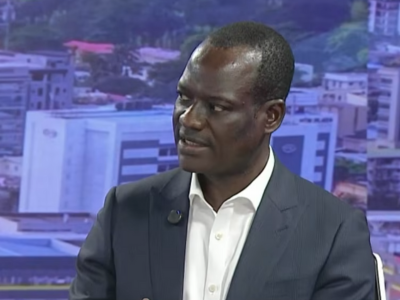
Chairman of the Presidential Fiscal Policy and Tax Reforms Committee, Taiwo Oyedele, has moved to clarify widespread misconceptions surrounding Nigeria’s new tax laws, dismissing circulating documents as altered and urging stakeholders to seize the controversy as an opportunity to overhaul the legislative transmission and review process.
Speaking on Arise News Morning Show, Oyedele revealed he identified a section missing from the official gazette and immediately alerted a lawmaker, who confirmed the committee had not convened to discuss it. He attributed the confusion to possible transmission errors, stressing the need for stronger protocols: “Other jurisdictions strengthen transmission protocols… but we don’t know if this is monitored end to end.”
Oyedele addressed misinterpretations of Section 41 sub 8 of the Nigeria Tax Administration Act, which some claimed would impose taxes on pensions. He clarified that the provision had been misunderstood, noting that the reforms are designed to ease burdens on small businesses and workers rather than penalize pensioners.
On calls by the Nigeria Labour Congress (NLC) to suspend the laws, Oyedele dismissed the demand as impractical: “The NLC President said Tinubu should withdraw the tax bills… but the president has no powers to, the legislature neither.” He added that certain laws, such as the Nigeria Revenue Service Act, have already taken effect, raising questions about retroactive invalidation.
Reiterating the committee’s thorough process, Oyedele explained: “For every version we have analysis of what was there and what has changed.” He suggested automation as a safeguard for integrity, urging that the crisis be used to strengthen legislative procedures rather than derail reforms.
The four tax bills—the Nigeria Tax Bill 2024, Nigeria Tax Administration Bill 2024, Nigeria Revenue Service (Establishment) Bill 2024, and Joint Revenue Board Establishment Bill 2024—aim to streamline Nigeria’s taxation system but have sparked debates over alleged alterations and their wider impacts.







0 Comment(s)