
High Gas Prices Driving Developing Nations Back to Coal, Warns NLNG MD

Credit:
Nigeria LNG (NLNG) has sounded the alarm that persistently high global gas prices are forcing developing nations to revert to coal, undermining decarbonization goals and widening the global energy divide.
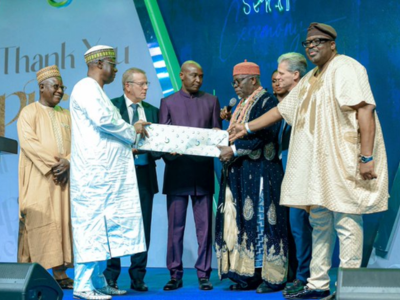
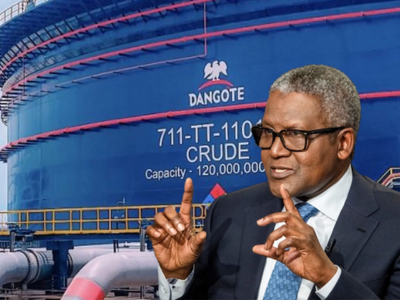
Speaking at the 25th World LNG Summit & Awards in Turkey, NLNG Managing Director Philip Mshelbila warned that the transition to cleaner fuels is faltering under the weight of structural challenges in the LNG sector, including supply bottlenecks, volatile pricing, financing hurdles, and slow progress on decarbonization.
“Persistently high global gas prices are pushing many developing countries to abandon cleaner fuels and revert to coal, undermining global decarbonisation goals and widening the global energy inequality gap,” Mshelbila told delegates during a panel on energy expansion in a fractured trade environment.
He stressed that richer nations continue to outbid poorer ones during market squeezes, leaving the Global South vulnerable. The 2022 Russia–Ukraine shock, he noted, shifted the market from short-term spot dominance to surging demand for long-term contracts, both now in high demand amid geopolitical uncertainty.
Mshelbila urged the industry to evolve LNG contracts to better manage sovereign risks by diversifying supply sources, delivery routes, and terms. He pointed to supply expansions such as U.S. and Qatari mega-trains and NLNG’s Train 7 project, which will add eight million tonnes per annum by 2027, as critical to stabilizing the market. Yet affordability remains the most pressing barrier, with repeated price spikes driving Asia and Africa toward coal—fuel that emits twice the CO₂ of gas for equivalent energy.
The summit, which brought together more than 1,000 leaders from 60 countries, underscored LNG’s projected five percent annual growth as part of global efforts to cut emissions by half by 2050. But Mshelbila cautioned that natural gas’s role as a “bridge fuel” will only endure if access is equitable, echoing IEA warnings that gas-to-coal switches are already occurring in saturated markets like the U.S. and Europe.
For Nigeria - Africa’s leading gas exporter, the message was clear: without global coordination, LNG’s promise as a cleaner alternative risks evaporating for those who need it most.








0 Comment(s)